The Definitive Manual to Made-to-Order Agricultural Boxes: Materials, Styles, and More
Custom produce boxes have an crucial role in the delivery of fresh fruits and vegetables. The selection of materials, styles, and eco-friendly options greatly influences both preservation and presentation. Understanding these elements can enhance brand differentiation and buyer satisfaction. However, not all packaging solutions are created equal. Investigating the intricacies of effective designs can reveal critical insights into optimizing freshness and appeal. What factors ought to be considered when selecting the ideal packaging?
Why Personalized Wrapping Is Important for Fresh Produce
Custom packaging plays a vital role in the protection and display of fresh produce. It guarantees that fruits and vegetables remain intact during transportation, reducing bruising and spoilage. This safeguarding capability is critical for maintaining the quality and freshness that consumers demand. In addition, custom packaging can improve the aesthetic appeal, making products more appealing to potential buyers. By integrating unique designs and branding elements, businesses can distinguish their offerings in a challenging marketplace.
Additionally, tailored packaging options can improve shelf life through features like ventilation holes or moisture control, adapting to the specific needs of various fruit and vegetable categories. This adaptability assists in minimizing waste, aligning with sustainability goals. Ultimately, personalized packaging solutions serves both practical and promotional objectives, strengthening brand identity while ensuring that fresh produce arrives at consumers in peak condition. As a result, investing in quality bespoke packaging is essential for producers seeking to elevate their products and satisfy consumer expectations.
Determining the Best Materials for Your Produce Boxes
Determining the best components for produce consult this source boxes is critical for sustaining freshness and warranting safety during transport. Sustainable options engage nature-oriented consumers but also elevate brand reputation. Additionally, the robustness of these materials plays a major role in protecting produce from damage.
Sustainable Material Options
As organizations increasingly prioritize sustainability, picking the right resources for produce boxes has become vital. Eco-friendly options include recycled cardboard, which lowers waste and utilizes less energy in production. Biodegradable materials, such as cornstarch-based plastics, offer an alternative that breaks down naturally, minimizing environmental impact. Additionally, bamboo and other rapid-growth plants serve as sustainable sources, providing strength and durability. These materials not only match eco-conscious values but also cater to a growing buyer demand for sustainable practices. Businesses can further improve their sustainability by opting for soy-based inks and minimalistic designs, lowering the overall environmental footprint while maintaining an appealing aesthetic. Ultimately, selecting sustainable materials reflects a commitment to both quality and environmental responsibility.
Resilience and Protection Components
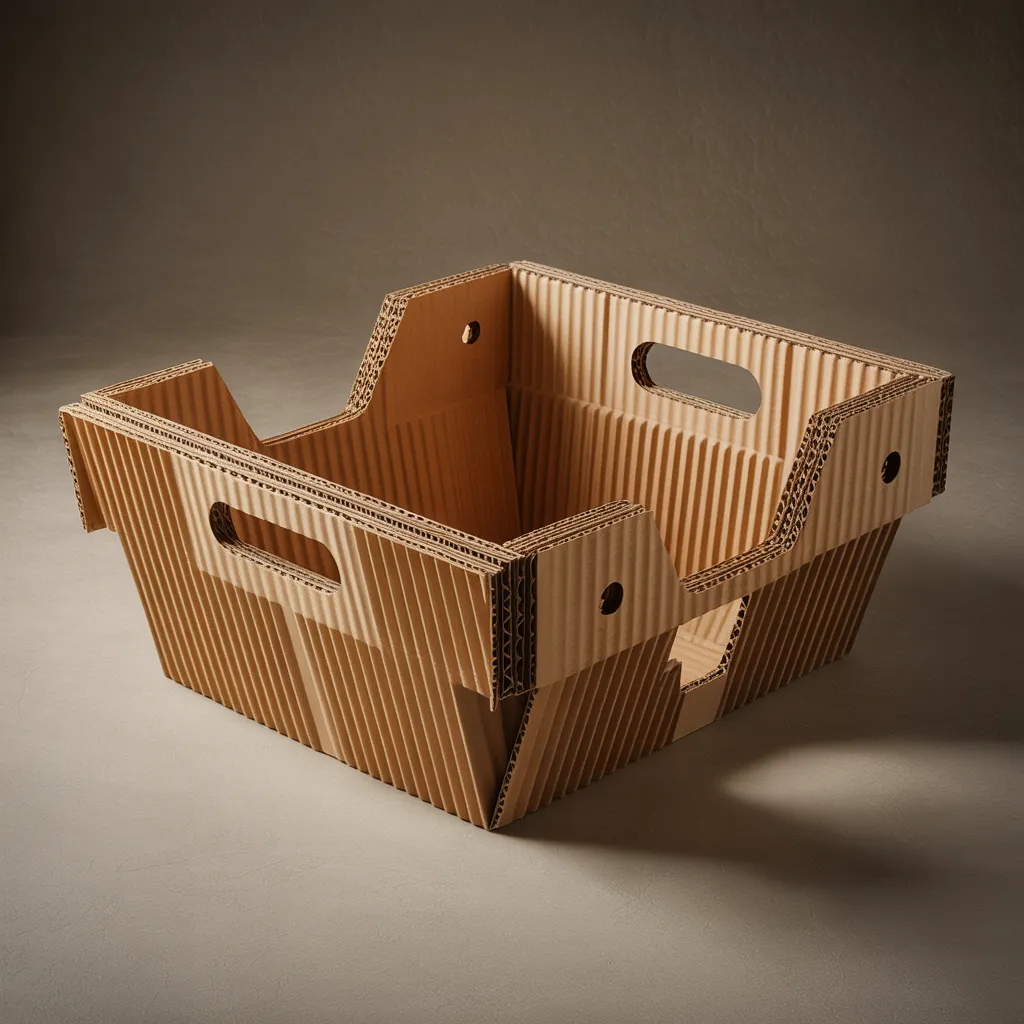
Picking appropriate materials for produce boxes relies on durability and defense. High-quality options, like corrugated cardboard or sturdy plastic, serve as an essential part in safeguarding contents during transport and storage. Corrugated cardboard delivers excellent weight efficiency, supplying sufficient cushioning from impacts while keeping light. Alternatively, plastic options may withstand moisture and pests better, extending the longevity of the produce. Also, incorporating aspects such as reinforced edges or ventilation holes can further protect the contents and keep quality. In the end, selecting the right substances guarantees that produce boxes not only endure the pressures of the supply chain but also supply fresh unblemished products to consumers, thus boosting customer satisfaction and market standing.
What Designs Work Optimally for Custom Produce Boxes?
When evaluating the perfect designs for custom produce boxes, it's essential to combine practicality with visual attractiveness. Multiple styles excel for their effectiveness in showcasing items while ensuring secure delivery.
The traditional open-top box ensures excellent air flow, making it appropriate for goods that require airflow, such as leafy greens. Conversely, the self-locking box design delivers ease of assembly and increased security, perfect for fragile produce.
For marketing objectives, transparent boxes allow consumers to observe the contents, enhancing aesthetic appeal and confidence. Additionally, stackable designs increase storage effectiveness, helping merchants and customers alike.
Finally, the incorporation of dividers within boxes helps keep different types of produce organized, minimizing damage during transport. By merging these approaches, businesses can create custom produce boxes that not only safeguard the items but also draw in customers through creative design.
Eco-Responsible Choices for Environmentally Friendly Packaging
Custom produce boxes now rely on sustainable packaging methods that have become ever more vital in their design. Manufacturers emphasize materials that minimize environmental impact while keeping functionality. Recycled cardboard and biodegradable plastics are favored choices, because they cut down on waste and encourage a circular economy. These materials effectively preserve produce, making sure of freshness and quality during transport.
Additionally, aqueous ink formulations and bonding agents are becoming increasingly popular, offering a safe option for production and assembly processes. The use of biodegradable substances further enhances environmental responsibility by enabling customers to get rid of packaging while avoiding landfill waste.
Moreover, minimalist designs can help lowering transportation emissions, which makes the entire supply chain more green. As consumer awareness of sustainability rises, brands are encouraged to use these eco-conscious options in their custom produce boxes, aligning with ethical practices and appealing to environmentally minded customers. Such initiatives not only benefit the planet but also improve the brand's reputation.
Design Imagery That Help Your Produce Boxes Get Noticed
Ensuring produce boxes command awareness, strategic visual design constitute an essential role. Eye-catching color palettes, imaginative typography choices, and participatory design features can profoundly amplify visual appeal. These components serve to both attract customers but furthermore communicate brand identity effectively.
Bold Color Schemes that pull the gaze
Throughout the development of custom produce boxes, selecting eye-catching color schemes plays an essential role in capturing customer interest. Dynamic hues can generate feelings and convey freshness, making them ideal for produce packaging. Vivid green shades, deep red tones, and sunny yellows are often linked with good health and wellness, appealing to health-conscious consumers. Contrasting colors can strengthen clarity and highlight key information, pulling attention to vital information such as product names or organic labels. Also, incorporating seasonal colors can foster urgency and relevance, encouraging impulse purchases. Ultimately, a meticulously crafted color design not only strengthens visual attractiveness but also reinforces brand identity, guaranteeing that the vegetable packaging stand out in a competitive market.
Unique Font Selections
Typography functions as an impactful instrument for designing custom produce boxes, in which special font selections can considerably improve visual attractiveness and brand identity. Through choosing uncommon typefaces, brands can express their personality and values, distinguishing themselves in a crowded market. For example, playful fonts might evoke a sense of fun and freshness, while elegant serif fonts can suggest premium quality. Additionally, the size and weight of typography play essential roles; bolder text can draw attention, while lighter fonts can create an airy feel. Proper alignment and spacing further contribute to the overall aesthetic, ensuring readability and impact. Ultimately, thoughtful typography choices can transform a simple produce box into a compelling marketing tool, effectively engaging consumers.
Responsive Visual Elements
Unique typographic choices create a strong groundwork for effective packaging design, but incorporating dynamic interactive features can boost custom produce boxes even further. These components captivate consumers and improve their experience, making the packaging unforgettable. Techniques like QR codes can offer customers with supplementary product information, recipes, or promotional offers, building a connection between the brand and the consumer. Augmented reality capabilities can convert a simple box into an engaging experience, mesmerizing tech-savvy audiences. Textured finishes and unique opening mechanisms also encourage tactile interaction, encouraging customers to explore the product inside. By merging these interactive components, brands can produce boxes that not only safeguard the contents but also serve as a dynamic marketing tool, enhancing overall appeal and customer satisfaction.
Refining Your Produce Box for Shipping
Optimizing a produce box for shipping demands a number of vital considerations to promise freshness and reduce waste. First, opting for the appropriate materials is essential; corrugated cardboard is often favored for its durability and insulation properties. Additionally, integrating breathable designs helps govern moisture and airflow, preventing spoilage.
Next, the interior arrangement must be thoughtfully arranged to minimize movement during transit. Employing separators or cushioning materials can protect produce from damage, reducing bruising. Moreover, temperature control is critical; adding cooling elements or protective barriers can help preserve the optimal conditions for fresh produce.
Labeling is also essential, as explicit instructions on handling and storage can help with preserving product quality. Finally, selecting the right logistics provider guarantees timely delivery, also improving freshness. By prioritizing these factors, businesses can effectively optimize their produce boxes for dependable and efficient shipping.
Regularly Requested Questions
What Methods Can Assist Me in Guaranteeing My Produce Boxes Protected?
To guarantee produce boxes are tamper-proof, one should apply robust sealing solutions, employ tamper-evident labels, and pick strong packaging. Regularly inspecting packaging integrity also preserves consumer protection and consumer trust.
What Duration Do the Average Processing Times for Bespoke Specialty Box Orders?
Standard lead times for custom produce box orders vary between two to six weeks, contingent upon design complexity, materials, and manufacturer capacity. Timely communication with providers can help assure efficient processing and delivery.
Can a customer Able to Place Orders for Low Quantities of Bespoke Organic Boxes?
Yes, compact volumes of personalized fruit containers can generally be ordered. Many suppliers enable such requests, regularly offering entry-level order amounts that fulfill operations with finite requirements or those examining new packaging solutions.
What certain standards control the packaging of unprocessed produce?
Yes, there are particular rules for packaging fresh produce, including safety standards, labeling requirements, and material guidelines. These rules ensure food safety, maintain quality, and deliver essential details for consumers regarding care and preservation.
What Steps Should I Follow to Maintain Produce Freshness in Transit?
To sustain produce freshness in transit, one should use insulated packaging, maintain temperature, ensure proper ventilation, and determine moisture-regulating materials. Consistent checking during transport is essential to reduce spoilage and maintain longevity.